

Introduction
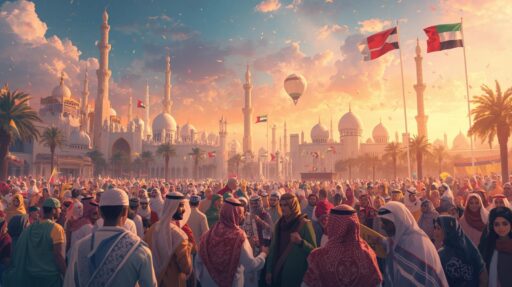
Religious festivals play a central role in the cultural fabric of the United Arab Emirates. Celebrations such as Ramadan and Eid are more than just holidays; they reflect the nation’s values, traditions, and communal spirit. These festivals provide an opportunity for Emiratis to strengthen family bonds, honor their faith, and preserve cultural identity.
Historical Background
Islam arrived in the region in the 7th century, profoundly influencing society. Religious practices became intertwined with daily life, guiding social conduct, community responsibilities, and moral values. Festivals became an integral part of the calendar, marking moments of reflection, gratitude, and communal celebration.
Ramadan, a month of fasting, prayer, and charity, encourages self-discipline and empathy for the less fortunate. Eid Al-Fitr, marking the end of Ramadan, is celebrated with family gatherings, feasts, and gift exchanges. Eid Al-Adha, the Festival of Sacrifice, commemorates Prophet Ibrahim’s devotion and highlights generosity, community support, and cultural continuity.
Key Aspects of Religious Festivals
1. Spiritual Significance
Religious festivals reinforce the spiritual values of Islam, emphasizing faith, gratitude, and compassion. Prayer, fasting, and reflection are central to these celebrations, allowing individuals to connect with their faith deeply.
2. Family and Community
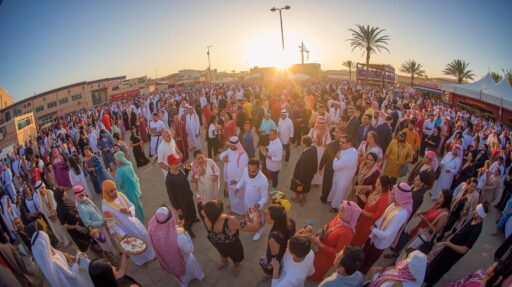
Festivals bring families together, strengthen bonds, and encourage community participation. Sharing meals, hosting guests, and organizing charitable activities foster social cohesion.
3. Cultural Traditions
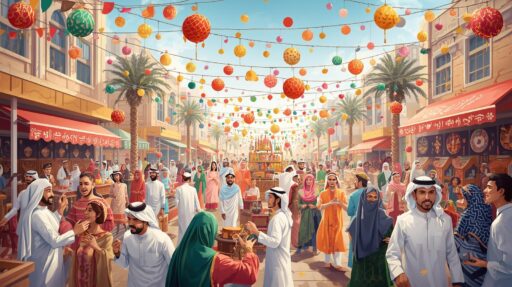
Traditional attire, music, decorations, and special foods are integral to festival celebrations. These customs preserve Emirati identity and pass cultural knowledge to younger generations.
4. Economic Impact
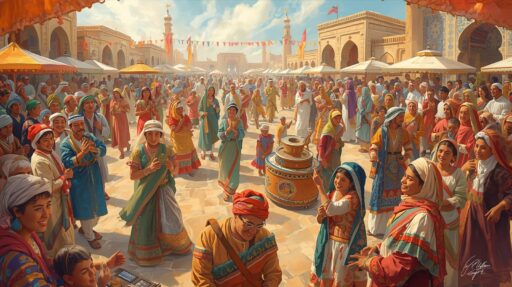
Festivals also influence commerce, as markets, souqs, and malls host special events, sales, and cultural programs. Small businesses and artisans benefit from increased activity, supporting the local economy.
Timeline of Religious Festivals in the UAE
- 7th Century CE: Islam introduced to the region, establishing religious practices.
- 10th–18th Century: Festivals celebrated primarily in villages and coastal towns.
- 20th Century: Modern infrastructure and urbanization enhance festival celebrations.
- Present Day: Religious festivals celebrated nationally with public events, decorations, and media coverage.
Modern Relevance
Religious festivals remain essential to Emirati society. They reinforce cultural identity, teach moral values, and strengthen family and community ties. Today, the UAE hosts public celebrations, cultural programs, and charitable initiatives, integrating tradition with modern life.
Conclusion
Religious festivals in the UAE are a blend of faith, culture, and community. From Ramadan to Eid celebrations, these events preserve heritage, promote social cohesion, and provide continuity between past and present. By honoring these traditions, Emiratis maintain a strong connection to their history and values.